

TRAINING NEED ANALYSIS (TNA)

Turn Training Needs into Strategic Workforce Growth
Strong organisations do not invest in training based on assumptions. They identify capability gaps clearly, prioritise learning needs accurately, and build development plans that support business performance.
Our Training Needs Analysis (TNA) Training is designed to help HR professionals, team leaders, and decision-makers take a more structured and strategic approach to workforce development. Participants will learn how to assess training needs at organisational, job, and individual levels, interpret data with greater clarity, and turn findings into practical learning actions.
From identifying performance gaps to building an Annual Training Plan, this program helps organisations connect training decisions with real business priorities.
Ready to make workforce development more targeted and effective?
Join our Strategic Workforce Development Program and learn how to use TNA as a practical tool for capability building and long-term organisational growth.
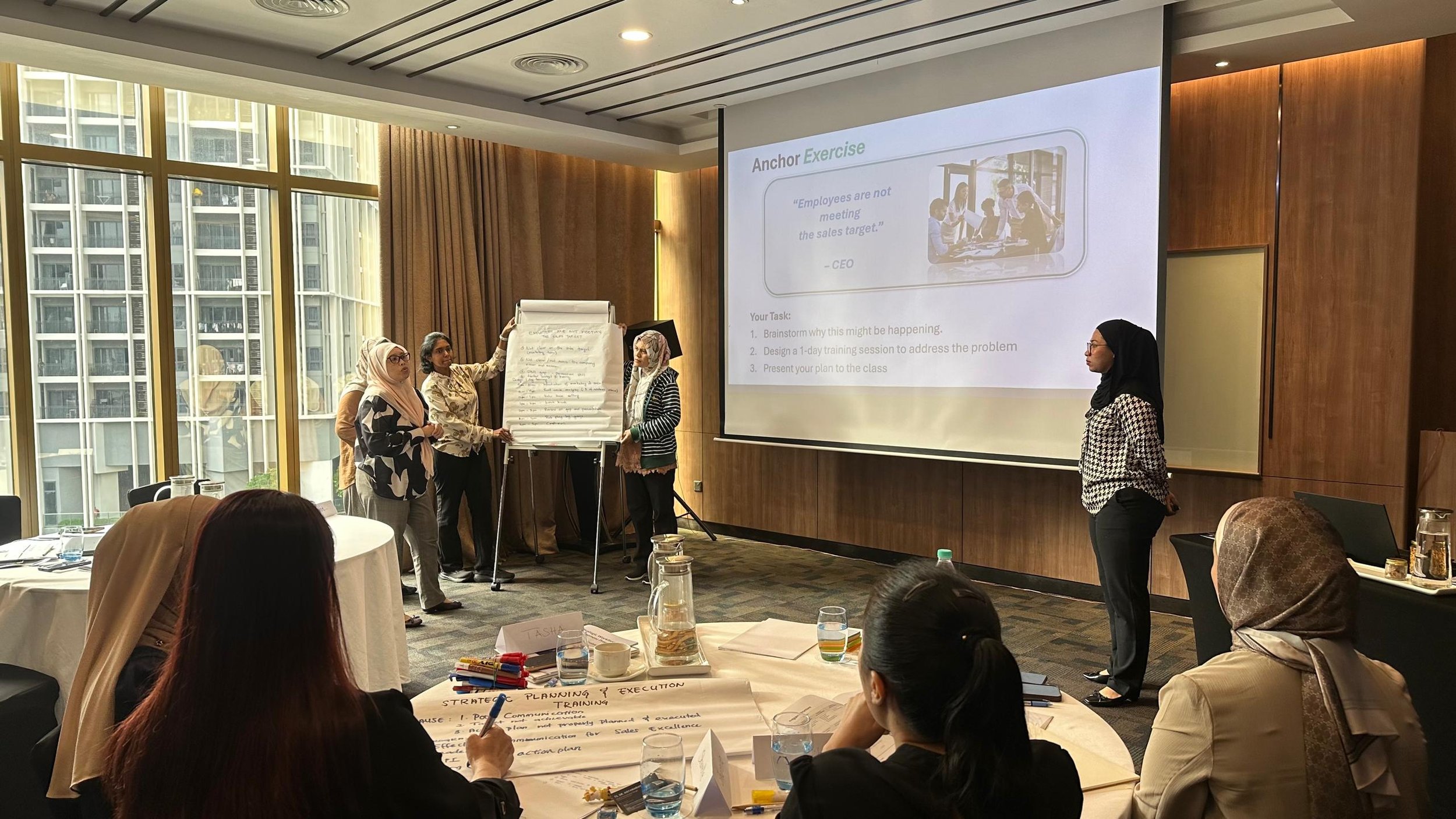
Learning Objective
What Participants Will Learn
By the end of this program, participants will be able to:
Identify and align training needs at the organisational, job, and individual levels using the Organisation-Task-Person (O-T-P) model.
Analyse training-related data using qualitative and quantitative methods to identify performance and capability gaps.
Develop actionable insights that support more focused learning interventions and workforce decisions.
Prepare comprehensive TNA reports and an Annual Training Plan (ATP) that align with organisational objectives.
Build a more structured and evidence-based approach to training prioritisation and workforce capability planning.
These learning outcomes are directly grounded in the objectives listed in your attachment.
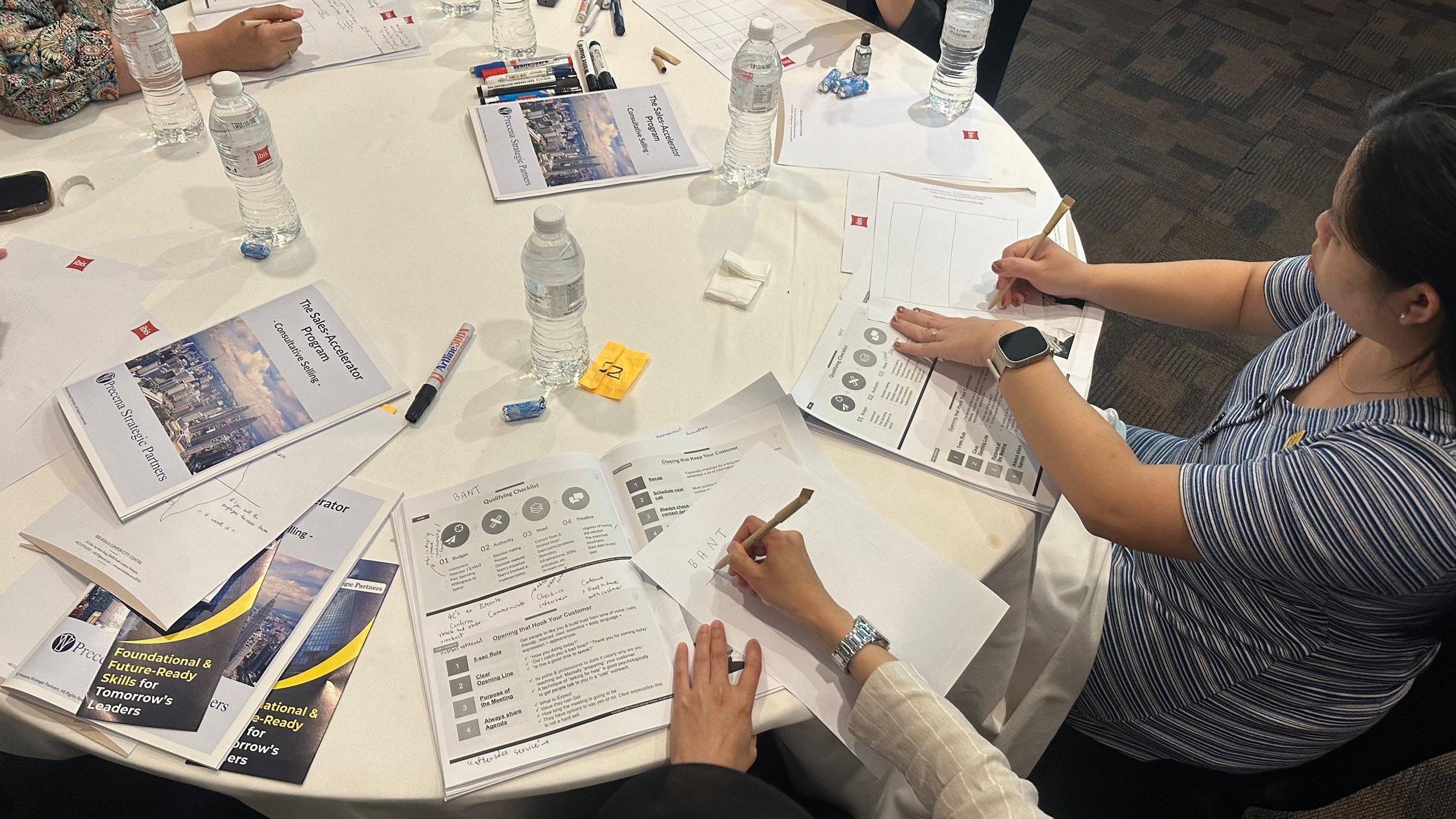
Key Content
What the Program Covers
This program is designed to make Training Needs Analysis practical, strategic, and applicable to real organisational contexts.
Participants will cover:
TNA Framework and TNA Process
Understand the structure, purpose, and end-to-end process of conducting a meaningful training needs analysis.TNA Process and Data Collection
Learn how to gather relevant information using both qualitative and quantitative methods.Training Gaps Analysis
Identify the difference between current capability levels and required performance standards.TNA Reporting
Translate findings into clear, credible, and decision-ready reports for management and stakeholders.Annual Training Plan (ATP)
Build a prioritised training roadmap that supports organisational goals and resource planning.Training Evaluation using the Kirkpatrick Model
Understand how to evaluate learning effectiveness and training outcomes more systematically.Applied Challenge
Strengthen practical understanding by developing an Annual Training Plan for your own organisation.
This section reflects the content listed in the attachment, including the TNA framework, process, data collection, gap analysis, reporting, ATP, Kirkpatrick Model, and the annual plan challenge.

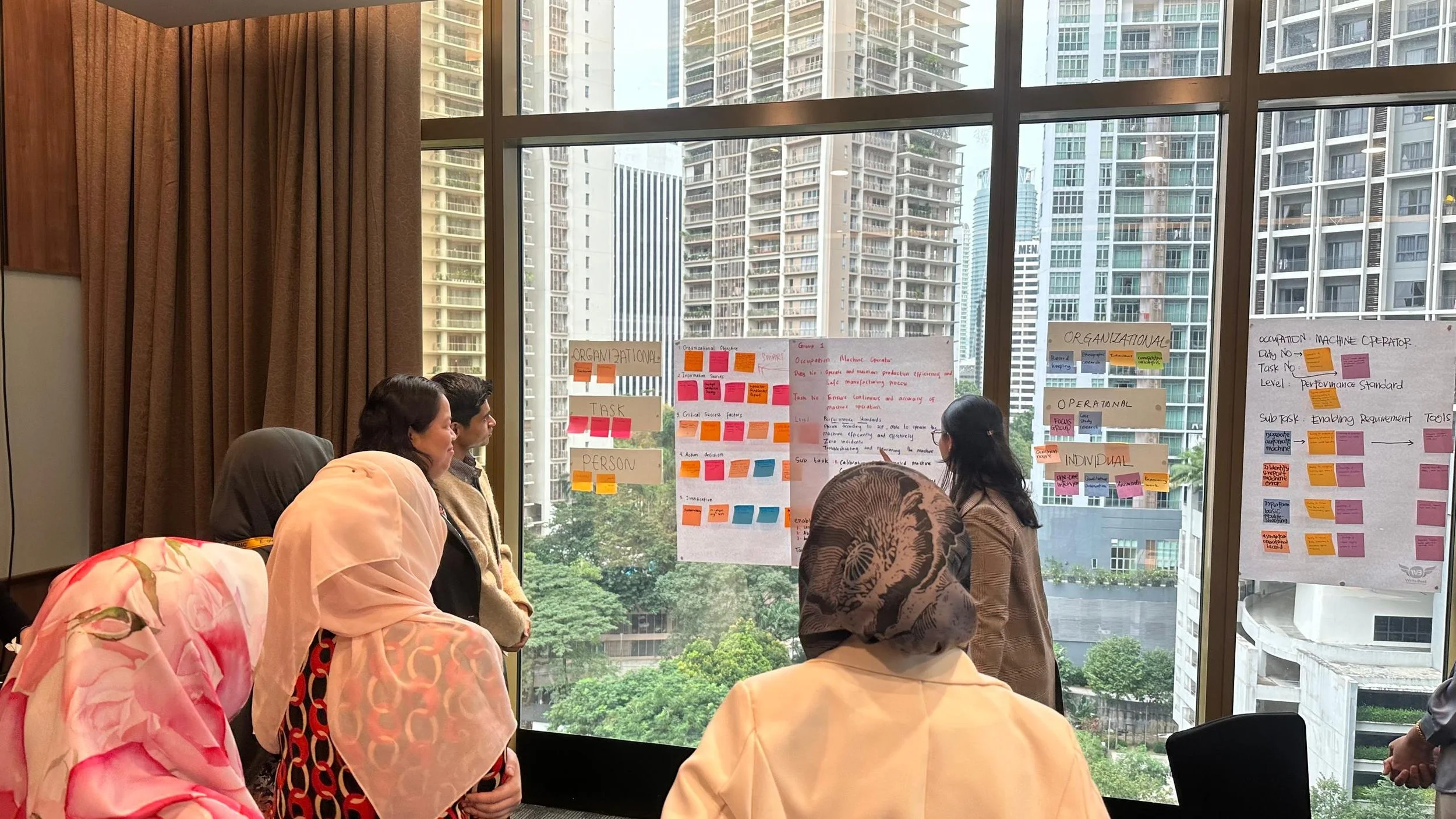
Key Framework
The Core Framework for Conducting TNA
The diagram in your attachment outlines the process of conducting TNA through a structured cycle. It includes these core stages: Select Approach, Gap Assessment, Identify A.S.K, Analyse Problem, Identify Solution, and Analysis Report.
1. Select Approach
Determine the most suitable TNA approach based on the organisation’s goals, workforce context, and business priorities.
2. Gap Assessment
Assess where performance or competency gaps exist and define the training issues that need attention.
3. Identify A.S.K
Clarify the required Attitudes, Skills, and Knowledge needed for better performance.
4. Analyse Problem
Study the root causes behind capability or performance gaps before recommending training solutions.
5. Identify Solution
Determine the most relevant intervention, whether training, coaching, process improvement, or another development action.
6. Analysis Report
Present findings, insights, and recommendations in a structured report that supports planning and decision-making.